| Rewards | Firestone Store Card - Up to ~4% back in rewards at Firestone service locations (based on spending tier) Firestone Mastercard ~4% back at Firestone ~2% on fuel & auto purchases ~1% everywhere else |
|---|---|
| Signup Bonus | None |
| Annual Fee | $0 |
| Cardmember Agreement | View Here |
| Cash Advance APR | Typically same as purchase APR (~34.99% variable) or similar high-rate structure |
| Cash Advance Fee | $10 or 4% of the amount, whichever is greater |
| Late Payment Fee | Up to $41 |
| Purchases APR | 34.99% variable APR (standard rate in recent agreements) |
| * Card terms and offers are subject to change. Confirm current details with the issuer. | |
CARD OVERVIEW
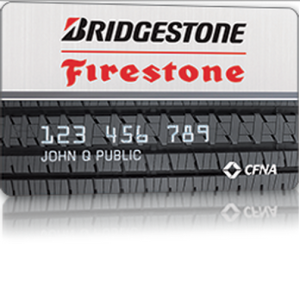
The Firestone Credit Card is less of a traditional rewards card and more of a car repair financing tool. Most versions come with a $0 annual fee and are designed to be used at Firestone and partner auto shops, mainly offering promotional financing on tires and repairs rather than strong everyday cash back.
Most users say the biggest benefit is the 0% interest financing offers, which can really help when an unexpected car bill hits. Cardholders also appreciate that it’s relatively easy to get approved and useful in emergencies when they don’t have cash upfront.
On the downside, many reviewers mention the very high regular APR (around the mid-30% range) if you don’t pay off promotional balances in time. Others point out that rewards (if available) are limited and not very flexible compared to normal cash-back cards, and the card has little value outside of auto-related spending.
Personally, I think this card only makes sense if you’re specifically trying to finance a large repair or tire purchase at 0% interest. For everyday spending or long-term use, most people would be better off with a simple 2% cash-back card or a low-APR alternative.

RATE THIS CREDIT CARD
Please enter a title of your review.
Please enter a title of your review.
Please write some review.
Bro sorry, but some error occurred :O
T
Convenient at the tire shop
I got this card mainly for Firestone purchases, and it really helps with financing big tire and brake bill. Payments are smooth and the staff always applies discount correctly. Worth it if you shop there often.
W
This card takes advantage of the consumer
The issuers don't seem to understand that the consumer is not looking to be robbed by incredibly high interest rates